ocean-wise-icon

Bienvenue au Centre d’aide Ocean Wise

Sei whale

Balaenoptera borealis

Description

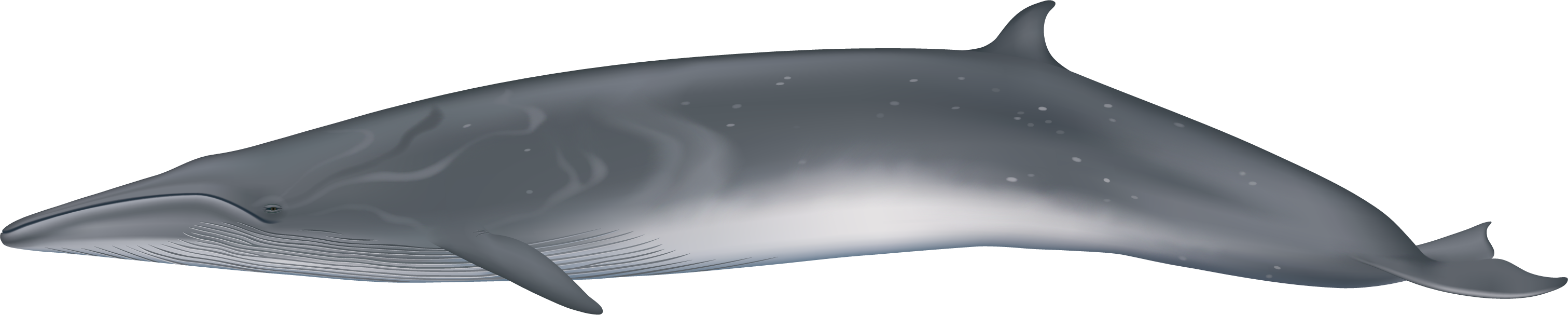
  • Maximum length of 16 metres.

  • Dark to bluish grey, often with many grey to white scars

sei whale illustration.png
  • Dorsal fin is 1/4 to 2/3 metre high, strongly curved towards the back, and is generally more erect compared to a fin whale.

  • Dorsal fin is less than 2/3 from the front of the body

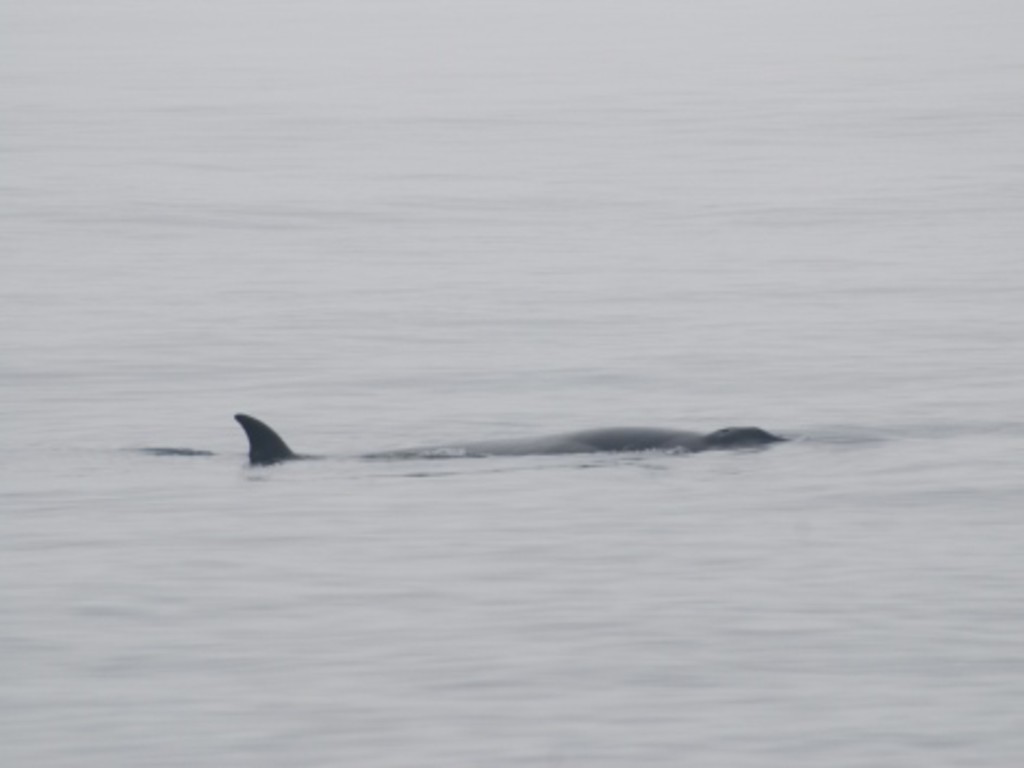
  • Blow is up to 3 metres in height, and resembles the blow of a blue and fin whale, but is neither as high nor as dense.

sei whale.jpg

Comportement

  • Social behaviour of sei whales is poorly known. They typically travel alone or in small groups of two to five, although larger aggregations may be seen in feeding areas

  • Sei whales are the fastest swimmers of all the baleen whales, can exceed 40km/hr in short sprints.

  • When surfacing, the dorsal fin is usually visible at the same time.

  • Arch their back less than fin whales during a deep dive. Seldom arch tail high or expose flukes.

  • Sei whales feed mainly on copepods and are thought to skim the surface for their prey. They are also known to feed on fish and squid if they are encountered.

Distribution

  • There have been very few sightings of sei whales in B.C. since the cessation of whaling.

Remarques

  • Sei whales are easily confused with fin whales: fin whales have a dorsal fin that is smaller relative to body size, rises at a shallower angle from the back, and is positioned slightly further back on the body compared to that of a sei whale. Fin whales have a right lower jaw that is white, whereas the lower jaw of a sei whale is dark on both sides.

  • In the eastern north Pacific, the reported take of sei whales by commercial whalers totaled 61,500 between 1947 and 1987.

  • The sei whale is designated as Endangered by the Committee on the Status of Endangered Wildlife in Canada (COSEWIC). Sei whales were one of the most abundant species sought by whalers off the British Columbia coast (with over 4000 individuals killed) and was also commonly taken in other areas of the eastern North Pacific. There are few, if any, mature individuals remaining in British Columbia waters, and there is clear evidence of a dramatic decline caused by whaling and no sign of recovery.