ocean-wise-icon

Bienvenue au Centre d’aide Ocean Wise

Dall's porpoise

Phocoenoides dalli

Description

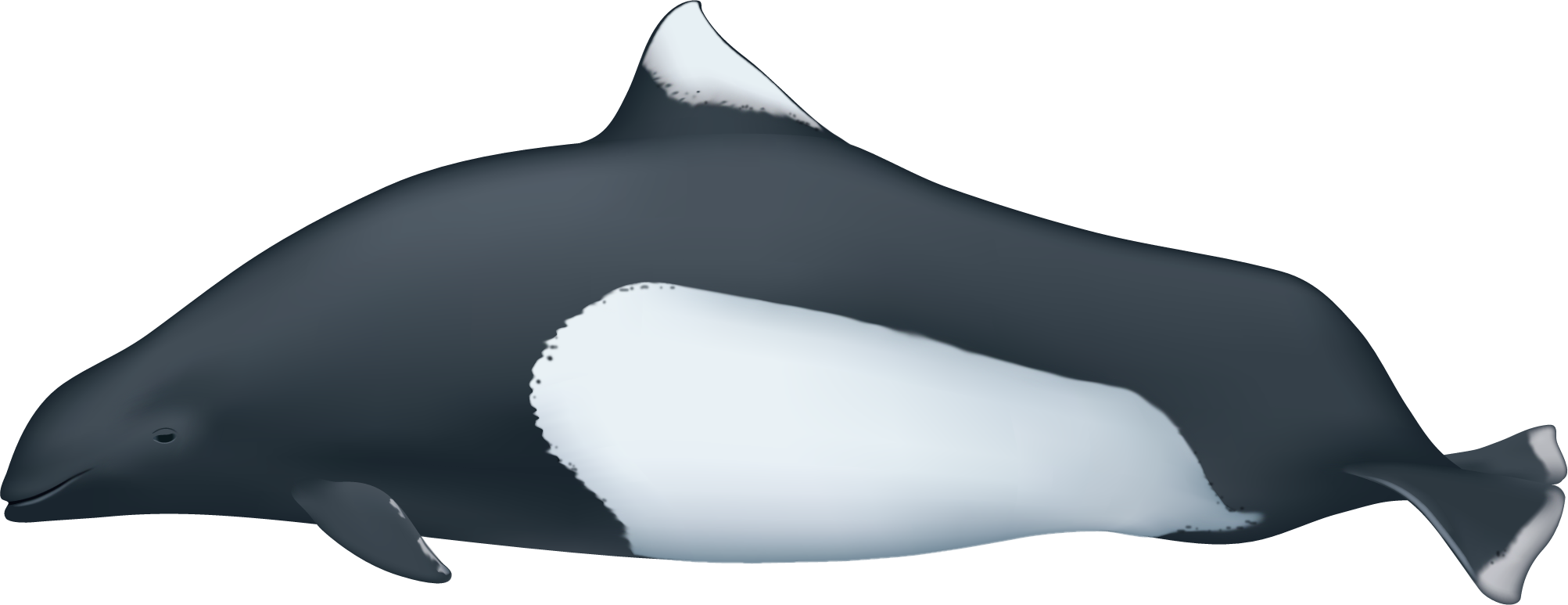
  • Black body with conspicuous white patch on lower flanks. Trailing edge of tail flukes are white.

Dalls porpoise.png
  • Small, triangular in shape with white tip and black base.

Dall porpoise- LBL.JPG
  • Maximum length of 2.2 metres.

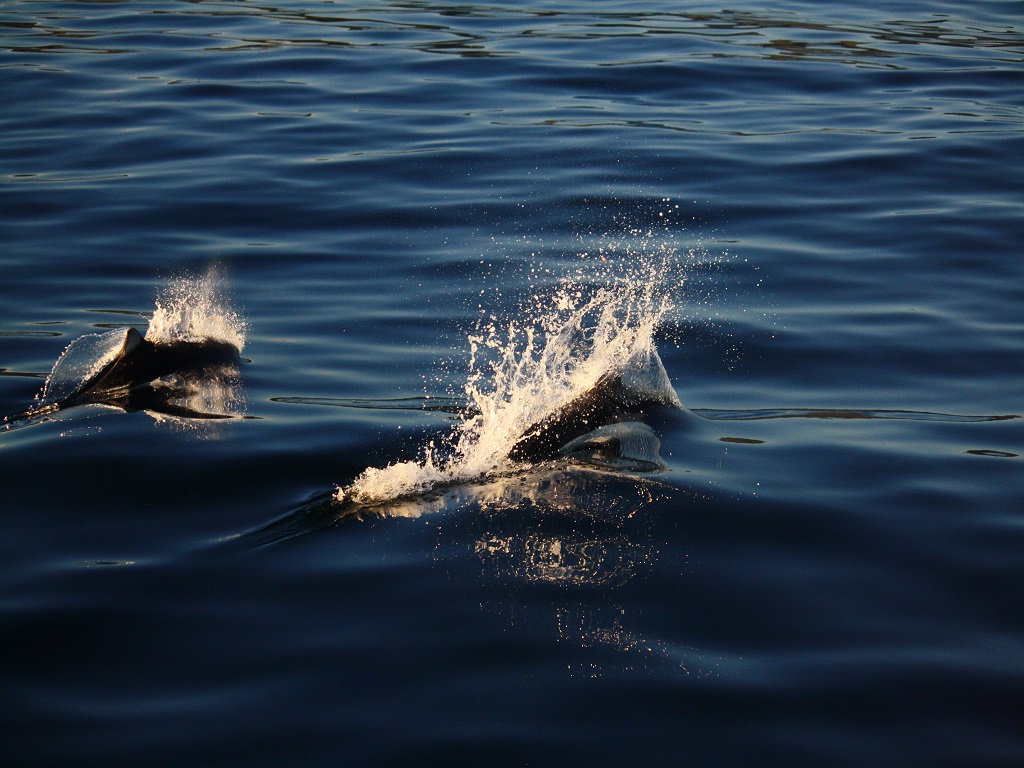
  • Creates a distinct ‘rooster-tail’ splash when traveling quickly, does not bring body entirely out of the water

Rooster Tail_resized_credit Carla Crossman.jpg

Photo credit: Carla Crossman

Comportement

  • Usually travels in group sizes of 2 to 10

  • Fastest cetacean in BC, traveling at speeds up to 55 km/hr. Throw a distinctive "rooster tail" splash when traveling quickly.

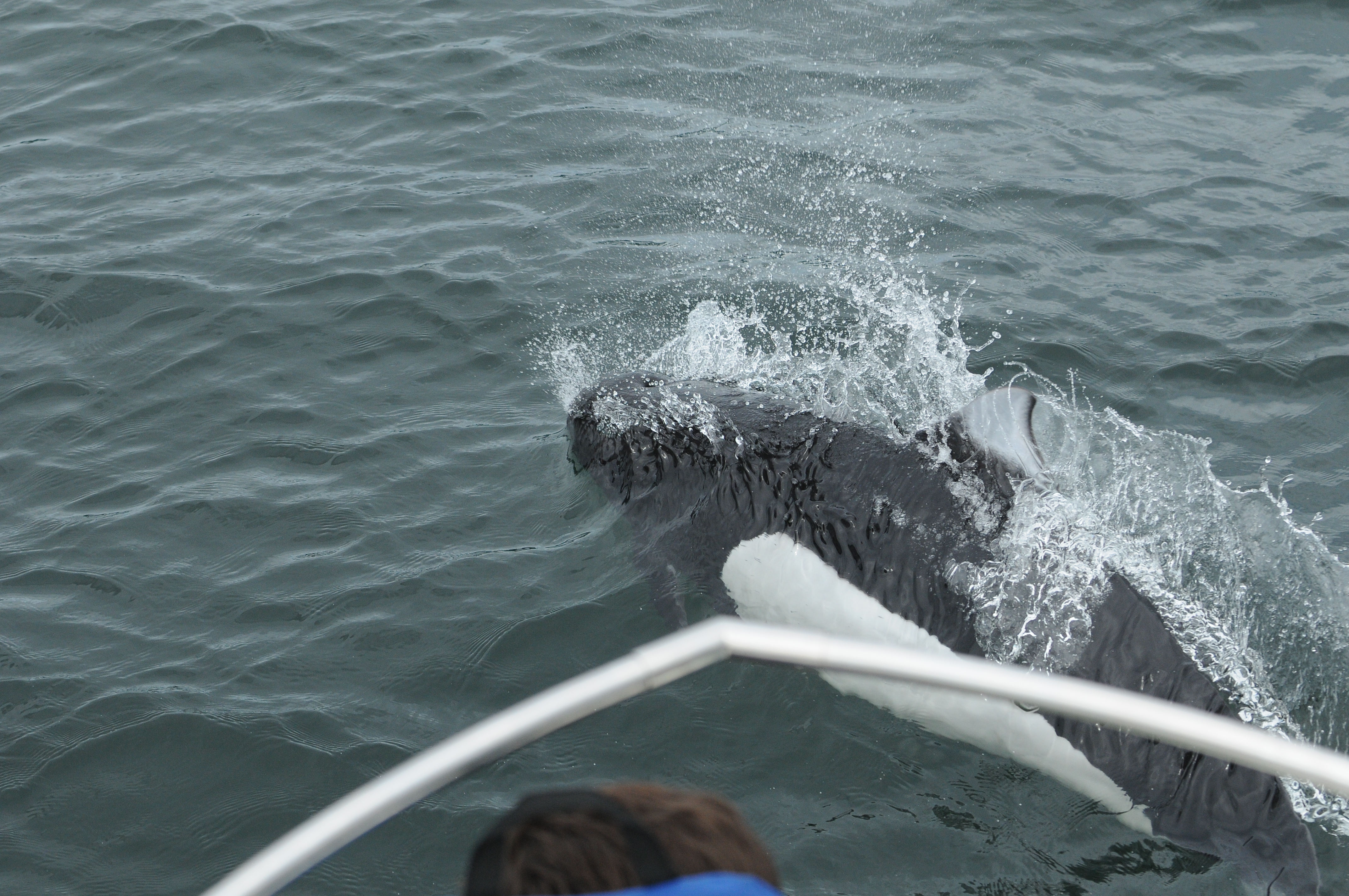
  • Will approach boats to ride the bow wake.

Dall's porpoise bow riding.jpg

Distribution

  • Dall’s porpoise range from coastal waters to deep offshore waters.

  • Dall’s porpoise are year-round resident, generally moving north for the summer and south for the winter.

Remarques

  • During slow dives shows a distinctive sharp curve to the hind quarter as it disappears under water (distinguishes it from harbour porpoise). Looks like a box rolling through the water, whereas a harbour porpoise looks like a tire.

  • Dall’s porpoise feed mainly on small schooling fishes (herring, anchovies, mackerels and sauries) and cephalopods (octopuses, squid, and cuttlefish).

  • A single calf is born mainly from late June to September. Gestation estimates range from 7 to 11.4 months. Nursing continues for only a few months. Not all adult females become pregnant every year; nonbreeders may segregate from breeders. Males are sexually mature at 5-8 years, females at 3-7 years, depending on location. Life expectancy is approximately 13 years.

  • Hybridization between Dall’s porpoise and harbour porpoise occurs occasionally in BC waters with harbour porpoise as the paternal parent and Dall’s porpoise as the maternal parent. Hybrids tend to appear more similar to Dall’s porpoise in body shape, diving characteristics and behaviour, but they lack the white side patches and the colouring is more similar to the harbour porpoise.