Marine Mammal Viewing Regulations and Guidelines
One of the best ways to help protect marine mammals is to 'Be Whale Wise' while out on the water and stay informed of the most current marine mammal guidelines and regulations in your area. Marine mammals need space to communicate, navigate, hunt, and care for their young.
Regulations may change seasonally and regionally. Always check for the latest updates before heading out on the water. British Columbia regulations can be found here, while Washington State regulations can be found here. Anyone in contravention of these Regulations can now be charged with an offense under the Fisheries Act.
In this section:
The Laws (British Columbia and Washington State)
How to Report Violations and Dead/Distressed Marine Mammals
The Guidelines (British Columbia and Washington State)
Know the Zones (Voluntary No-Boat Zones and Interim Sanctuary Zones)
Know the Flags (Whale Warning Flag and AV Flag)
The Laws
British Columbia
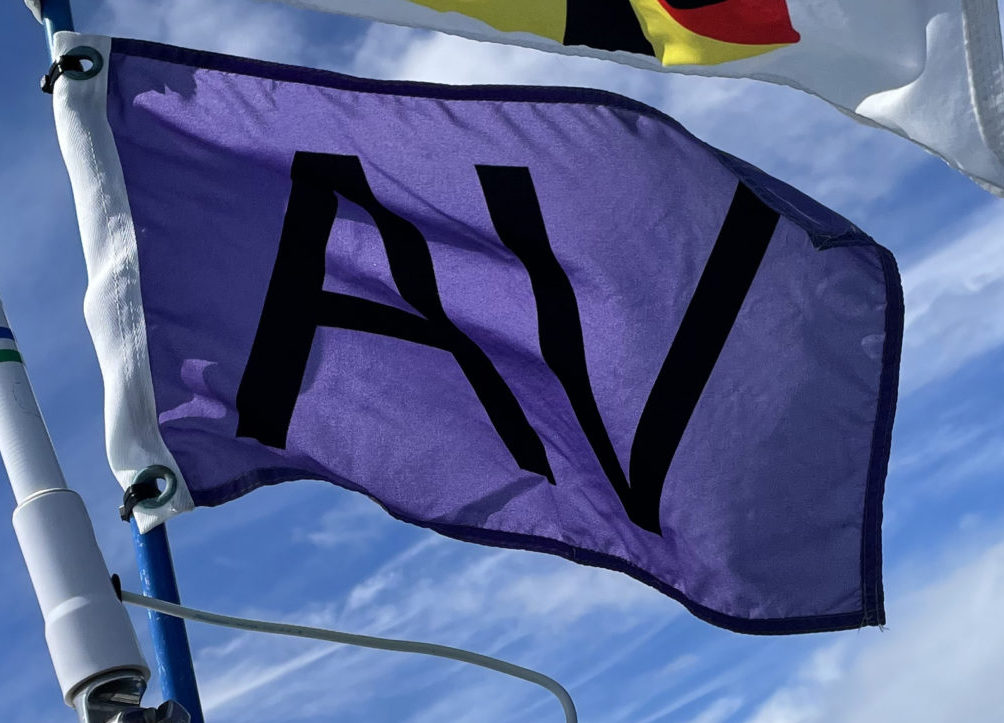
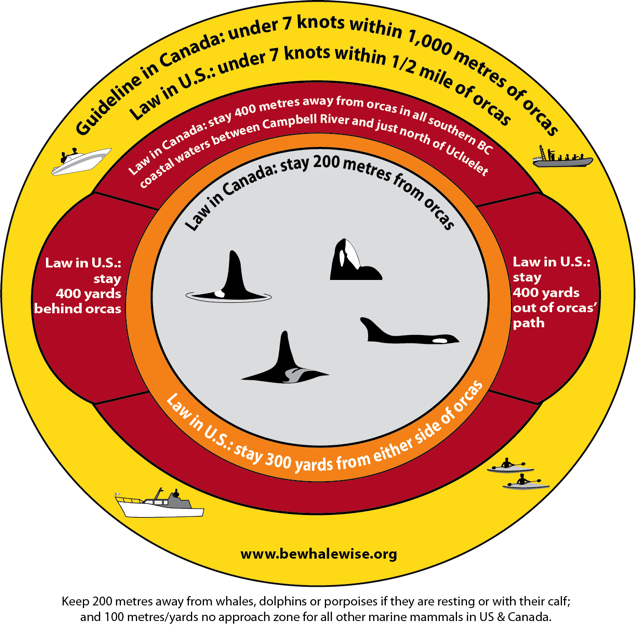
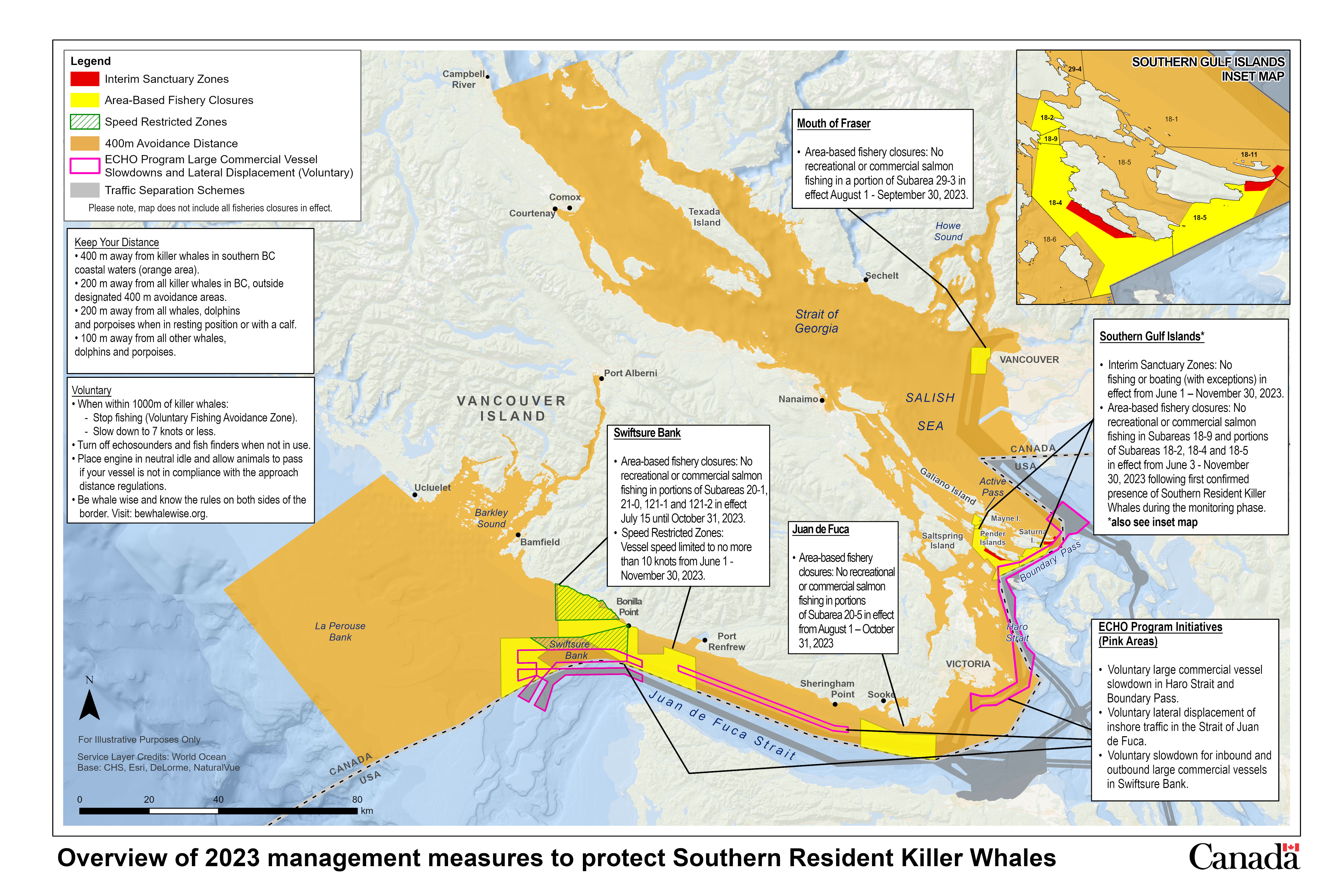
Vessels must stay 400 metres away from all killer whales in southern BC coastal waters between Campbell River and just north of Ucluelet until May 31, 2024, as per the Interim Order enacted under the Canada Shipping Act. (see map here). (Note: In Canada, vessels flying a purple Authorized Vessel "AV" Flag are authorized to approach non-Southern Resident killer whales up to 200 metres.)
Boats must stay 200 metres from all killer whales in other Canadian Pacific waters and from all whales, dolphins, or porpoises if they are resting or with a calf.
Boats must stay 100 metres from all other whales, dolphins, and porpoises in Canadian Pacific waters.
Drones can disturb marine mammals, so are discouraged for viewing marine mammals unless appropriate permits are obtained.
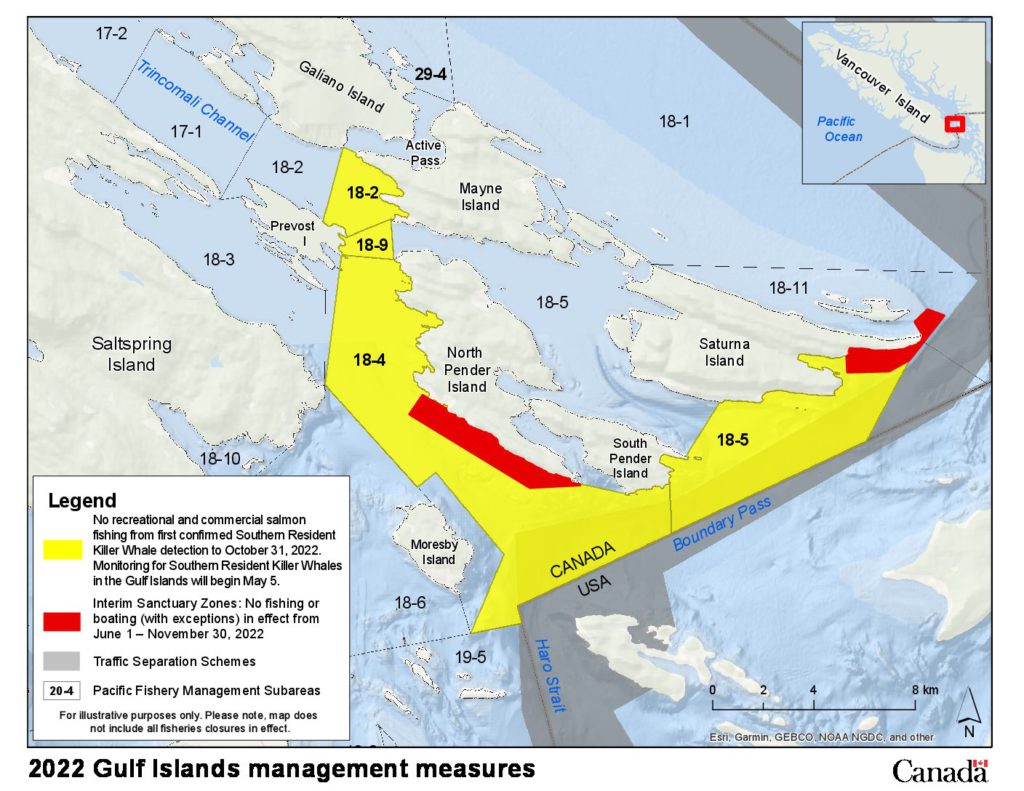
Area-based fishing closures are in effect for recreational and commercial salmon in key Southern Resident Killer Whale foraging areas in Swiftsure Bank, Strait of Juan de Fuca, southern Gulf Islands and mouth of the Fraser River.
Vessels must slow down to maximum 10 knots or less in Seasonal Slowdown Areas.
Boats must stay out of Interim Sanctuary Zones from June 1 - November 30, 2023.
Washington State
Boats must stay 300 yards from southern resident killer whales on either side.
Boats must stay 400 yards out of southern resident killer whale's path/in front and behind the whales.
Boats must slow to <7knots when in 1/2 mile of southern resident killer whales.
Disengage engines if whales appear within 300 yards.
Boats should stay 100 yards from all other marine mammals (whales, dolphins, porpoises, sea lions, seals).
How to Report Violations and Dead/Distressed Marine Mammals
If you are concerned about a potentially sick, stranded, dead, or entangled animal, or would like to report a violation, contact:
1.800.465.4336 or VHF Channel 16 (Canadian Waters)
1.800.853.1964 (US Waters).
Do you know what do to if you encounter an entangled whale? Download A Mariner's Guide to Reporting Whale Entanglements in Western Canada to learn how properly report, document, and help assess entangled whales to support authorized trained responders. It is illegal-and very dangerous-to try to disentangle a whale yourself. If you encounter an entangled whale, your main goal is to properly document and report the incident, while ensuring the safety of both you and the animal.
The Guidelines
Canadian and US Waters
Be cautious, courteous, and quiet when around areas of known or suspected marine wildlife activity, in the water or at haul-outs and bird colonies on land; especially from May to September during breeding, nesting, and seal pupping seasons.
Look in all directions before planning your approach or departure from viewing wildlife.
Slow down: reduce speed to less than 7 knots when within 1,000 metres or 1/2 mile of the nearest marine mammal to reduce your engine’s noise and wake.
Always approach and depart from the side, moving parallel to the animal’s direction of travel. If the animal(s) are approaching you, cautiously move out of the way and avoid abrupt course changes. Do not approach from the front or from behind.
Place engine in neutral or shut down and allow animals to pass if your vessel is not in compliance with the approach regulation.
Pay attention and move away, slowly and cautiously, at the first sign of disturbance or agitation.
Don't get between whales and the shoreline. Stay on the offshore side of whales when they are travelling close to shore.
Always avoid going through groups of porpoises or dolphins and hold course and reduce speed gradually to discourage bow or stern-riding.
Limit your viewing time to 30 minutes or less. This will reduce the cumulative impact of all vessels and give consideration to other viewers.
Do not disturb, swim with, move, feed, or touch any marine wildlife. If you are concerned about a potentially sick, stranded, or entangled animal, or would like to report a violation, contact 1.800.465.4336 or on VHF Channel 16 (Canadian Waters) or 1.800.853.1964 (US Waters).
Turn off fishfinders and echo sounders when not in use.
Refrain from fishing, where possible, within 1,000 metres or half mile of whales.
Use the Whale Warning Flag to warn fellow boaters to the presence of whales. See 'Know the Flags' for more information.
Stay out of Voluntary No-Boat Zones. See "Know the Zones" below for more information.
Marine Protected Areas, Wildlife Refuges, Ecological Reserves and Parks
Check your nautical charts for the location of various protected areas.
Abide by posted restrictions or contact local authority for further information.
Know the Zones
Canada Interim Sanctuary Zones
No fishing or boating (with exceptions) in effect on the southern tip of Saturna Island and the West Side of Pender Island from June 1 - November 30, 2023.
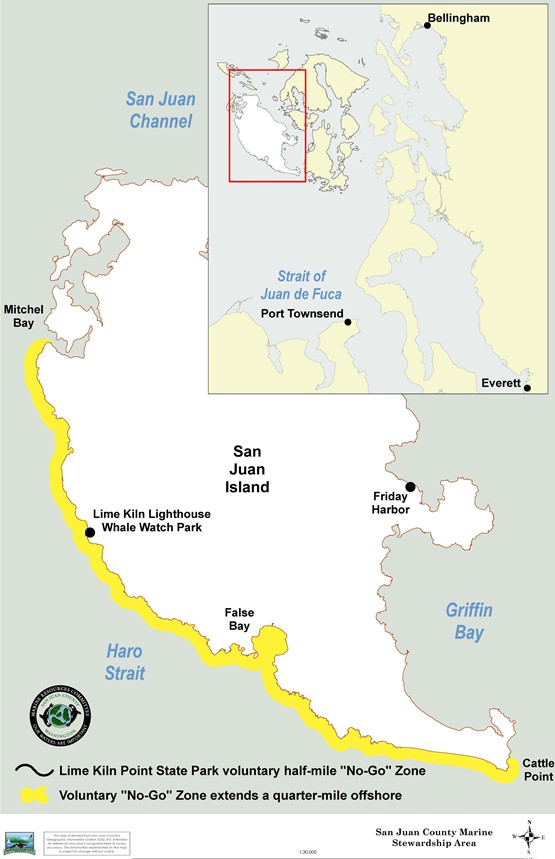
San Juan Island West Side Voluntary Zo-Boat Zone
Extends from Mitchell Point to Cattle Point, 1/4 mile offshore, and 1/2 mile around Lime Kiln Point State Park.
Know The Flags
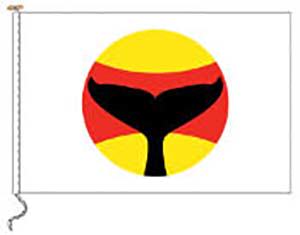
Whale Warning Flag
The Whale Warning Flag was first introduced around Northern Vancouver Island by the North Island Marine Mammal Stewardship Association (NIMMSA) as a means of addressing the growing number of negative interactions between vessels and humpback whales. By using the same flag design we are collectively promoting and strengthening a consistent message of Whale Wise boating behavior throughout the transboundary waters of the Salish Sea.
If You Have A Flag:
When you encounter whales within 0.65 miles (1 km) of your vessel raise the flag
Slow down to 7 knots or less
Follow the regulations and Be Whale Wise Guidelines
Turn off fishfinders and/or depth sounders
If You See A Flag:
Whales are within the vicinity of the boat or land station flying the flag
Slow down to 7 knots or less
Follow the regulations and Be Whale Wise Guidelines
Turn off fishfinders and/or depth sounders
Observe the direction of travel of the whales and other vessels to determine the proper way to approach or depart the area
Get your own flag here for US boaters and here for CAN boaters.
Canada's Authorized Vessel Flag
Commercial whale watching operators are authorized to approach non-Southern Resident Killer Whales between 200m to 400m as they have trained naturalists on board and have agreed to undertake additional conservation practices to reduce impacts of whale watching on Southern Resident Killer Whales.
These vessels will have a purple authorized vessel (AV) flag. Do not follow them.